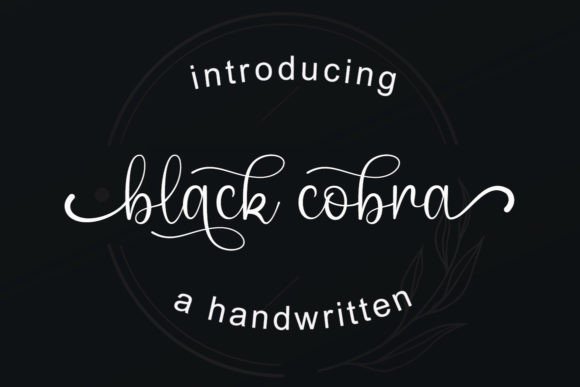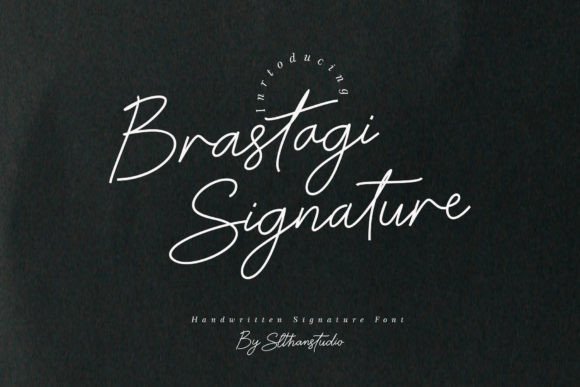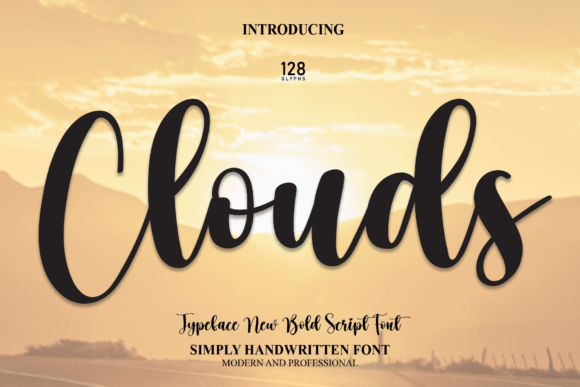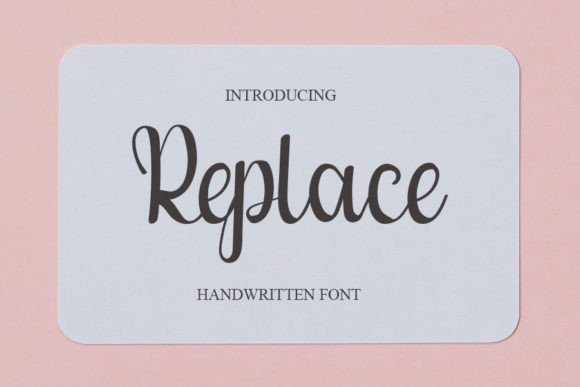
Allow: A Bold Script Font for Makers
The afternoon light was just right, streaming across my worktable as I arranged a new batch of soy wax candles. The scents were perfect—lavender and sea salt—but the labels felt generic. I needed something that whispered "handmade" without shouting it. That is when I discovered Allow. It wasn't just another typeface; it was the missing piece to bring my small shop's identity to life. As a creator who spends hours cutting vinyl, designing printables, and packaging orders, finding a font that balances boldness with casual charm is rare. Allow immediately stood out as a versatile tool that could elevate everything from simple sticker sheets to complex wedding stationery.
Bringing Character to Handmade Labels
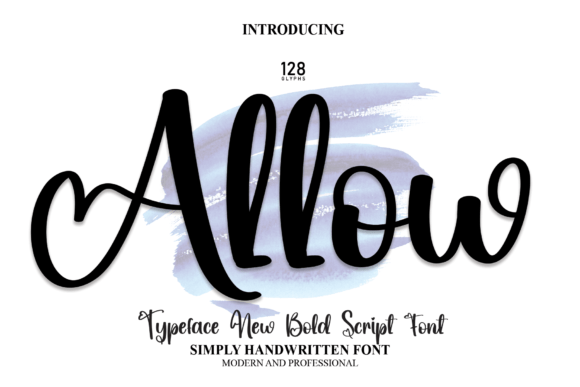
My first test run with Allow was on a set of boutique candle labels. The goal was to create a look that felt organic yet professional. Unlike rigid display fonts that can feel cold, Allow has a natural flow that mimics the energy of a quick, confident hand. When I typed out the scent names, the letters danced across the screen with a unique personality. The strokes are thick enough to hold their own on dark backgrounds but delicate enough to feel intimate on cream-colored kraft paper.
For product labels, readability is often the biggest concern. With many script fonts, the loops and tails can become illegible when scaled down. However, Allow strikes a balance that works beautifully for short phrases and product names. Whether I was printing directly onto adhesive paper or preparing files for my Cricut machine, the clarity remained intact. This makes it an excellent choice for makers who need a premium font that performs well in both digital mockups and physical production.
Designing with Confidence and Style
Beyond just labels, I found myself reaching for Allow whenever I needed to add a touch of warmth to my branding. The font fits perfectly into the category of modern typography that appeals to today's crafters and shoppers. It feels like a creative font that understands the emotional appeal of handmade goods. When I designed a series of greeting cards for the upcoming holiday season, the bold, casual script added a layer of sincerity that a standard sans serif font simply couldn't achieve.
The visual personality of Allow allows it to stand alone as a statement piece. On a tote bag design featuring a single inspirational quote, the font became the hero of the image. It didn't need extra flourishes or decorative elements because its inherent style was already rich. This versatility is what makes it such a valuable asset in any designer's library. It transforms plain text into a design element that tells a story about the maker's attention to detail.
Perfect Pairings for Balanced Designs
While Allow shines on its own, some projects benefit from a supporting cast. In my experience, pairing this script font with a clean sans serif font creates a stunning contrast. For instance, on wedding invitations, I used Allow for the couple's names to capture that romantic, handwritten feel, while using a simple, geometric sans serif for the date and venue details. This combination ensures that the information remains legible while the mood stays elegant and inviting.
Similarly, for printable wall art, combining Allow with a classic serif font adds a sophisticated editorial design touch. The mix of the casual script with the structured serif creates a dynamic tension that keeps the eye moving. If you are creating social media graphics or listing images for your online shop, this pairing strategy helps establish a strong brand identity. It signals to customers that your products are thoughtfully curated and professionally presented.
Practical Tips for Cutting Machines and Printables
As someone who relies heavily on cutting machines like Silhouette and Cricut, I know how important file integrity is. One of the best things about working with Allow is its robust structure. When converting the text to paths for vinyl cutting, the lines remain smooth, and the intricate details do not break apart. This is crucial for small stickers where precision matters. I tested it on a sheet of holographic vinyl, and the cut quality was flawless, proving that this font is suitable for high-detail applications.
However, a word of advice for fellow creators: always check the size before committing to a final print. While Allow is readable at various scales, very small sizes on textured paper might lose some of its definition. For planner pages or journal inserts, I recommend keeping the font size large enough to appreciate the character of the strokes. For larger formats like farmhouse signs or welcome boards, the font truly comes alive, filling the space with confidence and style.
Exploring Versatility Across Product Lines
The true power of a good typeface lies in its adaptability. I have used Allow across a wide range of products, from mugs and t-shirts to packaging tags and digital downloads. Each application brings out a different facet of its personality. On a ceramic mug, the bold curves of the letters wrap around the cylinder beautifully, making the design feel custom-made rather than mass-produced. On clothing, it adds a trendy, urban edge that appeals to a younger demographic looking for unique apparel.
For those selling digital assets, Allow is a fantastic addition to template packs. Whether you are offering wedding invitation templates, birthday party planners, or business card designs, including a high-quality script font like this increases the perceived value of your download. Customers love having access to premium fonts that they can use to customize their own projects. It bridges the gap between a static template and a fully personalized creation.
Understanding Licensing and Technical Details
Before integrating any font into a commercial project, it is essential to understand the licensing terms. Allow is designed with makers in mind, offering flexibility for those who sell physical products, templates, and merchandise. Always verify that your license covers the specific types of items you plan to create, whether that is printed wall art, embroidered shirts, or SVG-style designs for other crafters. Ensuring you have the correct commercial font license protects your business and respects the work of the type designer.
Additionally, take time to explore the included styles and alternates within the font family. Many script fonts come with ligatures, swashes, and alternate characters that can completely change the look of a design. Playing with these features allows you to create unique variations of your logo or product titles. Checking the file formats and multilingual support is also wise if you plan to expand your audience globally or work with diverse client requests.
Crafting a Cohesive Brand Identity
In the crowded marketplace of handmade goods, consistency is key. Using a distinctive typeface like Allow across all your materials—from packaging tape to invoice headers—helps build instant recognition. When a customer receives a package wrapped in brown paper with a label written in Allow, followed by a thank-you card in the same style, it creates a seamless brand experience. This attention to detail fosters trust and encourages repeat business.
The emotional connection created through typography cannot be overstated. A font is more than just letters; it is the voice of your brand. Allow speaks with a friendly, approachable tone that invites customers to engage with your products. It feels human, imperfect in the best way, and deeply connected to the spirit of crafting. As I continue to grow my shop, I know that Allow will remain a staple in my design toolkit, helping me turn simple ideas into beautiful, tangible realities.